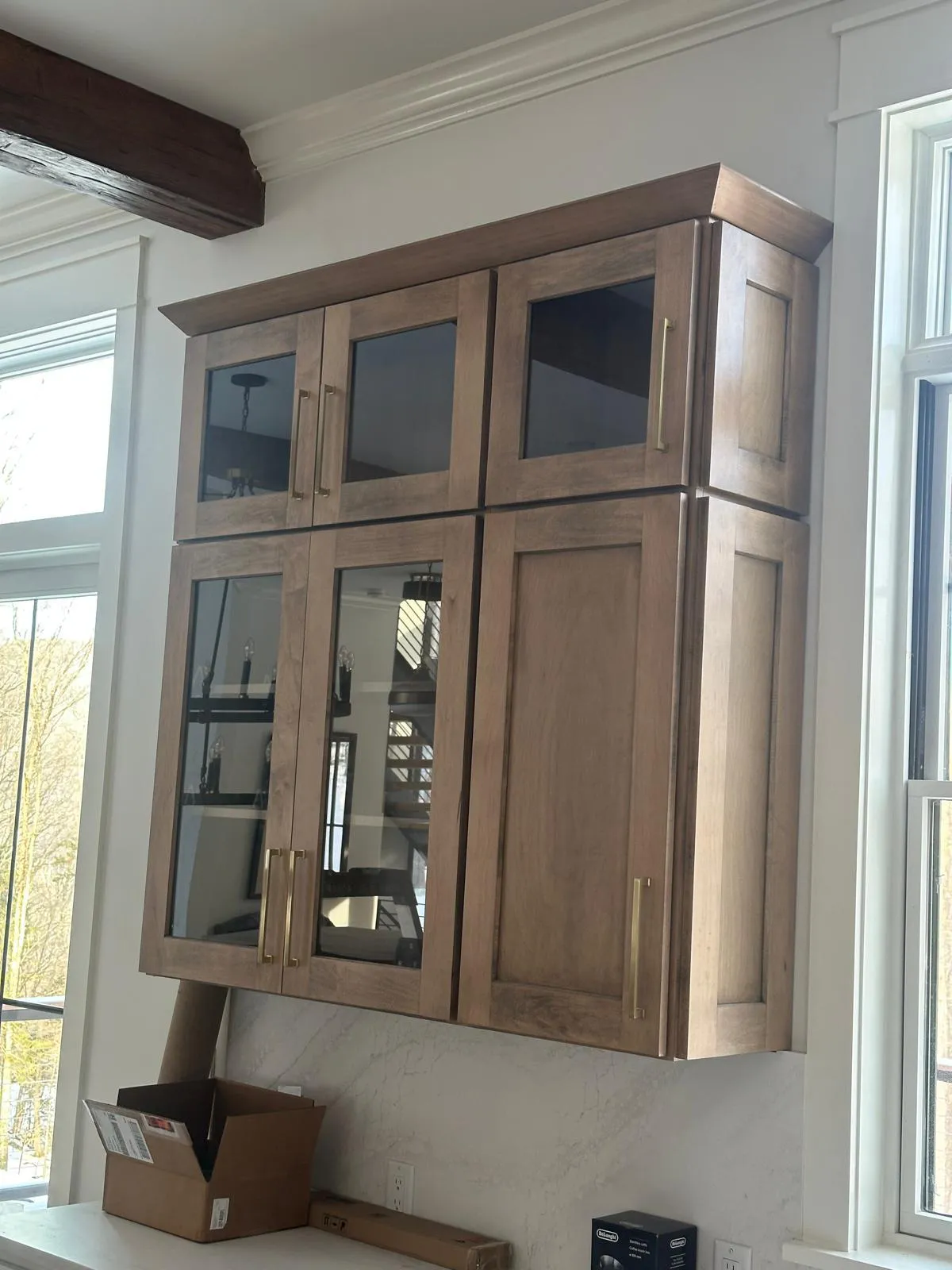
Few finish carpentry upgrades transform a room as dramatically — or as affordably — as crown molding.
Yet for many Massachusetts homeowners, the question isn't whether to add it. It's
how much will it actually cost?
As the content lead at Hathaway Finish Carpentry, I've sat in on hundreds of client estimates
over the past three years. The honest answer: costs vary widely based on profile complexity,
ceiling height, and room size. But real price ranges do exist — and you deserve to know them
before you pick up the phone.
What Does Crown Molding Cost Per Linear Foot in Massachusetts?
In Massachusetts, professional crown molding installation typically runs
$8 to $22 per linear foot, fully installed (materials + labor).
The range is wide because the complexity of the profile and the conditions of your home
affect price significantly.
Profile Type
Material Cost (per LF)
Installed (per LF)
Simple cove (3–3.5 in.)
$1.50–$3
$8–$12
Standard colonial (4–5 in.)
$3–$6
$11–$16
Built-up / stacked profile
$6–$12
$16–$22
Dentil or custom millwork
$10–$20+
$22–$35+
Note: These ranges reflect current Massachusetts market rates as of 2025.
Prices in the greater Boston area (Framingham, Natick, Newton) tend to run 10–15% higher
than in Milford, Worcester, or the MetroWest area.
Cost by Room: What to Expect in a Typical Massachusetts Home
Most homeowners want to know the bottom line for their specific rooms.
Here's a realistic breakdown based on common room sizes in Massachusetts single-family homes:
Room
Avg. Linear Feet
Estimated Installed Cost
Bedroom (12×12)
48 LF
$480–$900
Living room (16×20)
72 LF
$720–$1,580
Dining room (14×16)
60 LF
$600–$1,320
Primary bedroom (14×18)
64 LF
$640–$1,408
Whole-home (2,200 sq ft)
350–450 LF
$3,500–$9,900
For whole-home projects, contractors (including us) often discount the per-LF rate because
setup time is amortized across more work. If you're doing multiple rooms, always ask for a
project-wide quote rather than room-by-room.
5 Factors That Drive Crown Molding Prices Up (or Down)
1. Profile Complexity
A simple 3-inch cove profile is easy to cut and install. A built-up, multi-layer profile —
which uses 3 or more pieces stacked together to create a grand, architectural look — takes
2–3× longer to install. If you've seen stunning crown work in magazines and wondered why
it looks so rich, it's almost always a built-up profile.
2. Ceiling Height
Standard 8-foot ceilings are straightforward. Nine-foot, 10-foot, or cathedral ceilings
require taller ladders, scaffolding setups, and more precise angle cuts. Expect to add
15–25% to your estimate for rooms with ceilings over 9 feet.
3. Room Geometry
Straight rectangular rooms are easier and cheaper. Bay windows, vaulted ceilings, curved walls,
and rooms with soffits require custom miters and cope cuts that add significant time.
A bay window alone can add $200–$500 to a room's estimate.
4. Existing Drywall Condition
In older Massachusetts homes — especially those built before 1980 — walls and ceilings
are rarely perfectly plumb and square. If your ceilings have significant imperfections,
a skilled carpenter will compensate with caulk, scribe cuts, and filler. If they're truly
out of plane, some prep work (skim coat, corner repair) may be needed first.
5. Paint and Finishing
Most crown molding quotes cover installation only. Painting is often a separate line item,
especially if you're matching existing walls or going with a bold color contrast.
Budget an extra $1–$2 per linear foot if you need the painter to come in after installation.
Crown Molding Profiles: Which One Is Right for Your Home?
Not all crown molding looks the same, and the profile you choose should fit the architectural
character of your home. Here's a quick guide:
Cove molding: Concave curve. Clean, minimal. Best for modern or transitional homes. The most affordable option.
Colonial / ogee: The S-shaped classic profile seen in most Massachusetts colonials and Cape Cods. Timeless and widely available.
Built-up / stacked: Two or three profiles layered together to create a wide, architectural look. Best for formal living rooms and dining rooms.
Dentil crown: Features evenly-spaced rectangular blocks (dentils). Traditional, formal. Seen in Georgian and Federal-style homes.
Coffered ceiling integration: Crown molding used as the perimeter of a coffered ceiling grid. The most dramatic — and most expensive — option.
"The profile you choose sets the architectural tone for the entire room. Don't underestimate it — crown molding is the detail that makes a room feel finished versus just painted."
DIY vs. Professional Crown Molding: The Honest Comparison
Crown molding is one of those projects that looks deceptively simple on YouTube. In reality,
it's one of the trickier finish carpentry skills to master. Here's why:
Compound miter cuts: Inside and outside corners require calculating two angles simultaneously. One degree off creates a visible gap.
Coping joints: Professionals use coped joints (not miters) at inside corners for a tighter fit as wood expands and contracts seasonally.
Nailing: Crown must hit studs or blocking. Missing a stud and hitting drywall means the molding will eventually crack loose.
Finishing: Caulking and filling nail holes seamlessly takes practice. Sloppy finish work makes an otherwise good install look unprofessional.
If you're an experienced woodworker doing a single bedroom, DIY is feasible. For living rooms,
formal dining rooms, built-up profiles, or any room with challenging geometry, hiring a professional
finish carpenter in Massachusetts pays for itself in quality and saved time.
How to Budget for Crown Molding in Your Massachusetts Home
Here's a simple 4-step process we recommend to every homeowner who calls us:
Measure the perimeter of each room you want to trim out (subtract door/window openings).
Add 15% for waste — cuts that don't work, splices, and material overages.
Pick your profile — simple cove if budget is tight, built-up if you want to make a statement.
Get at least 2–3 quotes from licensed Massachusetts finish carpenters. Ask for itemized estimates (material vs. labor).
And one non-negotiable: always verify that your contractor is licensed and insured in Massachusetts.
The MA Department of Labor Standards requires a Home Improvement Contractor (HIC) registration for any
residential finish work over $1,000. Ask for the registration number before signing anything.
Is Crown Molding Worth the Investment?
The data says yes. According to the Remodeling Magazine Cost vs. Value Report, interior trim
and millwork upgrades consistently deliver strong perceived value in the Massachusetts real estate market.
Real estate professionals in the MetroWest area regularly report that well-trimmed rooms photograph better,
show better, and command stronger offers.
More practically: most homeowners who add crown molding say they should have done it sooner.
It's one of the few upgrades you enjoy every single day you live in your home.
Poucas melhorias de marcenaria transformam um ambiente tão dramaticamente — e com um custo tão acessível — quanto a moldura de teto.
No entanto, para muitos proprietários em Massachusetts, a questão não é se deve instalá-la. É
quanto vai custar de verdade?
Como responsável de conteúdo na Hathaway Finish Carpentry, participei de centenas de orçamentos com clientes
ao longo dos últimos três anos. A resposta honesta: os custos variam bastante dependendo da complexidade do perfil,
da altura do teto e do tamanho do ambiente. Mas faixas de preço reais existem — e você merece conhecê-las
antes de ligar para um carpinteiro.
Quanto Custa a Moldura de Teto por Metro Linear em Massachusetts?
Em Massachusetts, a instalação profissional de moldura de teto geralmente custa entre
$8 e $22 por pé linear, totalmente instalada (materiais + mão de obra).
A variação é grande porque a complexidade do perfil e as condições da sua casa
influenciam bastante no preço.
Tipo de Perfil
Custo do Material (por pé linear)
Instalado (por pé linear)
Cove simples (3–3,5 pol.)
$1,50–$3
$8–$12
Colonial padrão (4–5 pol.)
$3–$6
$11–$16
Perfil composto / empilhado
$6–$12
$16–$22
Dentil ou marcenaria personalizada
$10–$20+
$22–$35+
Observação: Esses valores refletem os preços praticados no mercado de Massachusetts em 2025.
Os preços na região da Grande Boston (Framingham, Natick, Newton) tendem a ser de 10–15% mais altos
do que em Milford, Worcester ou na região MetroWest.
Custo por Cômodo: O Que Esperar em uma Casa Típica de Massachusetts
A maioria dos proprietários quer saber o valor final para os seus cômodos específicos.
Veja uma estimativa realista baseada nos tamanhos de cômodo mais comuns em casas unifamiliares de Massachusetts:
Cômodo
Média de Pés Lineares
Custo Instalado Estimado
Quarto (12×12)
48 pés lineares
$480–$900
Sala de estar (16×20)
72 pés lineares
$720–$1.580
Sala de jantar (14×16)
60 pés lineares
$600–$1.320
Suíte principal (14×18)
64 pés lineares
$640–$1.408
Casa inteira (2.200 m²)
350–450 pés lineares
$3.500–$9.900
Em projetos para toda a casa, os empreiteiros (incluindo nós) costumam oferecer desconto no valor por pé linear,
pois o tempo de preparação é diluído em mais serviço. Se você planeja fazer vários cômodos, sempre peça
um orçamento global em vez de orçamentos separados por cômodo.
5 Fatores Que Elevam (ou Reduzem) o Preço da Moldura de Teto
1. Complexidade do Perfil
Um perfil cove simples de 3 polegadas é fácil de cortar e instalar. Um perfil composto com múltiplas camadas —
que utiliza 3 ou mais peças empilhadas para criar um visual grandioso e arquitetônico — leva
2–3× mais tempo para instalar. Se você já viu trabalhos de moldura impressionantes em revistas e se perguntou
por que parecem tão sofisticados, quase sempre se trata de um perfil composto.
2. Altura do Teto
Tetos padrão de 8 pés são simples de trabalhar. Tetos de 9, 10 pés ou abobadados
exigem escadas maiores, andaimes e cortes angulares mais precisos. Conte com um acréscimo de
15–25% no orçamento para cômodos com tetos acima de 9 pés.
3. Geometria do Cômodo
Ambientes retangulares e regulares são mais fáceis e baratos. Janelas em bay window, tetos inclinados, paredes curvas
e cômodos com saliências exigem cortes em meia-esquadria e cortes de encaixe personalizados que aumentam significativamente o tempo de trabalho.
Uma bay window sozinha pode acrescentar $200–$500 ao orçamento de um cômodo.
4. Condição Existente do Drywall
Em casas mais antigas de Massachusetts — especialmente as construídas antes de 1980 — paredes e tetos
raramente estão perfeitamente nivelados e esquadrejados. Se o seu teto tiver imperfeições consideráveis,
um carpinteiro experiente vai compensar com massa, cortes de ajuste e preenchimento. Se a desnivelação for grave,
pode ser necessário um trabalho de preparação anterior (reboco, reparo de cantos).
5. Pintura e Acabamento
A maioria dos orçamentos de moldura de teto cobre apenas a instalação. A pintura costuma ser um item separado,
especialmente se você precisar combinar com as paredes existentes ou quiser um contraste de cor mais marcante.
Preveja um extra de $1–$2 por pé linear se precisar do pintor após a instalação.
Perfis de Moldura de Teto: Qual é o Certo para a Sua Casa?
Nem toda moldura de teto é igual, e o perfil escolhido deve combinar com o estilo arquitetônico
da sua casa. Veja um guia rápido:
Moldura cove: Curva côncava. Visual limpo e minimalista. Ideal para casas modernas ou de transição. A opção mais acessível.
Colonial / ogee: O perfil clássico em formato de S encontrado na maioria das casas coloniais e Cape Cods de Massachusetts. Atemporal e amplamente disponível.
Composta / empilhada: Dois ou três perfis sobrepostos para criar um visual amplo e arquitetônico. Ideal para salas de estar e salas de jantar formais.
Moldura dentil: Apresenta blocos retangulares igualmente espaçados (dentes). Tradicional e formal. Comum em casas de estilo georgiano e federal.
Integração com teto caixotão: Moldura usada como perímetro de uma grade de teto caixotão. A opção mais dramática — e mais cara.
"O perfil que você escolhe define o tom arquitetônico de todo o cômodo. Não subestime isso — a moldura de teto é o detalhe que faz um ambiente parecer finalizado, e não apenas pintado."
Faça Você Mesmo vs. Instalação Profissional: A Comparação Honesta
A moldura de teto é um daqueles projetos que parece simples no YouTube. Na prática,
é uma das habilidades mais difíceis de dominar em marcenaria de acabamento. Veja por quê:
Cortes em meia-esquadria composta: Cantos internos e externos exigem o cálculo simultâneo de dois ângulos. Um grau de diferença já cria uma fresta visível.
Juntas de encaixe (coping): Profissionais utilizam juntas de encaixe (não meia-esquadria) nos cantos internos para um ajuste mais preciso conforme a madeira se expande e contrai com as estações.
Fixação com pregos: A moldura precisa atingir os montantes ou bloqueios estruturais. Errar o montante e pregar no drywall vai fazer a moldura soltar com o tempo.
Acabamento: Calafetagem e preenchimento de furos de pregos de forma invisível exige prática. Um acabamento descuidado compromete até uma boa instalação.
Se você é um marceneiro experiente fazendo um único quarto, o faça-você-mesmo é viável. Para salas de estar,
salas de jantar formais, perfis compostos ou qualquer cômodo com geometria desafiadora, contratar um
carpinteiro de acabamento profissional em Massachusetts compensa pela qualidade e pelo tempo economizado.
Como Planejar o Orçamento para Moldura de Teto na Sua Casa em Massachusetts
Veja o processo simples de 4 etapas que recomendamos para todo proprietário que nos liga:
Meça o perímetro de cada cômodo que deseja acabar (subtraia as aberturas de portas e janelas).
Adicione 15% para desperdício — cortes que não funcionam, emendas e excesso de material.
Escolha o perfil — cove simples se o orçamento for limitado, composto se quiser causar impacto.
Obtenha pelo menos 2–3 orçamentos de carpinteiros de acabamento licenciados em Massachusetts. Peça estimativas detalhadas (material vs. mão de obra).
E um ponto inegociável: sempre verifique se o seu empreiteiro é licenciado e segurado em Massachusetts.
O Departamento de Normas Trabalhistas de Massachusetts exige o registro de Empreiteiro de Melhoria Residencial (HIC) para
qualquer serviço de acabamento residencial acima de $1.000. Peça o número de registro antes de assinar qualquer coisa.
A Moldura de Teto Vale o Investimento?
Os dados dizem que sim. De acordo com o Remodeling Magazine Cost vs. Value Report, melhorias em molduras
e marcenaria interna entregam consistentemente um forte valor percebido no mercado imobiliário de Massachusetts.
Profissionais do setor imobiliário na região MetroWest relatam regularmente que cômodos bem acabados fotografam melhor,
impressionam mais nas visitas e recebem ofertas mais altas.
Na prática: a maioria dos proprietários que instalam moldura de teto diz que deveria ter feito isso antes.
É uma das poucas melhorias que você aprecia todos os dias enquanto mora na sua casa.
Pocas mejoras de carpintería transforman una habitación de manera tan dramática — o tan económica — como la moldura de techo.
Sin embargo, para muchos propietarios en Massachusetts, la pregunta no es si instalarla. Es
¿cuánto va a costar realmente?
Como responsable de contenido en Hathaway Finish Carpentry, he participado en cientos de presupuestos con clientes
durante los últimos tres años. La respuesta honesta: los costos varían ampliamente según la complejidad del perfil,
la altura del techo y el tamaño de la habitación. Pero sí existen rangos de precios reales — y usted merece conocerlos
antes de levantar el teléfono.
¿Cuánto Cuesta la Moldura de Techo por Pie Lineal en Massachusetts?
En Massachusetts, la instalación profesional de moldura de techo generalmente cuesta entre
$8 y $22 por pie lineal, completamente instalada (materiales + mano de obra).
El rango es amplio porque la complejidad del perfil y las condiciones de su hogar
afectan significativamente el precio.
Tipo de Perfil
Costo del Material (por pie lineal)
Instalado (por pie lineal)
Cove simple (3–3,5 pulg.)
$1,50–$3
$8–$12
Colonial estándar (4–5 pulg.)
$3–$6
$11–$16
Perfil compuesto / apilado
$6–$12
$16–$22
Dentil o carpintería personalizada
$10–$20+
$22–$35+
Nota: Estos rangos reflejan las tarifas actuales del mercado de Massachusetts en 2025.
Los precios en el área metropolitana de Boston (Framingham, Natick, Newton) tienden a ser un 10–15% más altos
que en Milford, Worcester o la zona MetroWest.
Costo por Habitación: Qué Esperar en una Casa Típica de Massachusetts
La mayoría de los propietarios quiere saber el costo final para sus habitaciones específicas.
Aquí hay un desglose realista basado en los tamaños de habitación más comunes en casas unifamiliares de Massachusetts:
Habitación
Pies Lineales Promedio
Costo Instalado Estimado
Dormitorio (12×12)
48 pies lineales
$480–$900
Sala de estar (16×20)
72 pies lineales
$720–$1,580
Comedor (14×16)
60 pies lineales
$600–$1,320
Dormitorio principal (14×18)
64 pies lineales
$640–$1,408
Casa completa (2,200 pies²)
350–450 pies lineales
$3,500–$9,900
En proyectos para toda la casa, los contratistas (incluidos nosotros) suelen ofrecer un descuento en la tarifa por pie lineal
porque el tiempo de preparación se distribuye entre más trabajo. Si va a hacer varias habitaciones, siempre solicite
un presupuesto global en lugar de presupuestos por habitación.
5 Factores Que Elevan (o Reducen) el Precio de la Moldura de Techo
1. Complejidad del Perfil
Un perfil cove simple de 3 pulgadas es fácil de cortar e instalar. Un perfil compuesto de múltiples capas —
que utiliza 3 o más piezas apiladas para crear un aspecto grandioso y arquitectónico — tarda
2–3 veces más en instalarse. Si ha visto trabajos de moldura impresionantes en revistas y se ha preguntado
por qué lucen tan elegantes, casi siempre se trata de un perfil compuesto.
2. Altura del Techo
Los techos estándar de 8 pies son sencillos de trabajar. Los techos de 9, 10 pies o en catedral
requieren escaleras más altas, andamios y cortes angulares más precisos. Espere agregar
un 15–25% a su presupuesto para habitaciones con techos de más de 9 pies.
3. Geometría de la Habitación
Las habitaciones rectangulares y regulares son más fáciles y económicas. Las ventanas en bahía, los techos inclinados, las paredes curvas
y las habitaciones con salientes requieren cortes de inglete personalizados y cortes de ensamble que añaden tiempo considerable.
Una ventana en bahía por sí sola puede añadir $200–$500 al presupuesto de una habitación.
4. Condición Existente del Drywall
En casas más antiguas de Massachusetts — especialmente las construidas antes de 1980 — las paredes y los techos
rara vez están perfectamente a plomo y escuadrados. Si su techo tiene imperfecciones importantes,
un carpintero hábil compensará con sellador, cortes de ajuste y relleno. Si están verdaderamente
desnivelados, puede ser necesario un trabajo de preparación previo (enlucido, reparación de esquinas).
5. Pintura y Acabado
La mayoría de los presupuestos de moldura de techo cubren solo la instalación. La pintura suele ser un elemento separado,
especialmente si necesita combinar con las paredes existentes o desea un contraste de color llamativo.
Presupueste un extra de $1–$2 por pie lineal si necesita que el pintor venga después de la instalación.
Perfiles de Moldura de Techo: ¿Cuál es el Adecuado para Su Hogar?
No todas las molduras de techo lucen igual, y el perfil que elija debe adaptarse al carácter arquitectónico
de su hogar. Aquí hay una guía rápida:
Moldura cove: Curva cóncava. Limpia y minimalista. Ideal para hogares modernos o de transición. La opción más económica.
Colonial / ogee: El perfil clásico en forma de S que se ve en la mayoría de las casas coloniales y Cape Cods de Massachusetts. Atemporal y ampliamente disponible.
Compuesta / apilada: Dos o tres perfiles superpuestos para crear un aspecto amplio y arquitectónico. Ideal para salas de estar y comedores formales.
Moldura dentil: Presenta bloques rectangulares uniformemente espaciados (dientes). Tradicional y formal. Se encuentra en casas de estilo georgiano y federal.
Integración con techo artesonado: Moldura utilizada como perímetro de una cuadrícula de techo artesonado. La opción más dramática — y más costosa.
"El perfil que elija establece el tono arquitectónico de toda la habitación. No lo subestime — la moldura de techo es el detalle que hace que una habitación se vea terminada en lugar de simplemente pintada."
Hágalo Usted Mismo vs. Instalación Profesional: La Comparación Honesta
La moldura de techo es uno de esos proyectos que parece engañosamente simple en YouTube. En realidad,
es una de las habilidades más difíciles de dominar en carpintería de acabado. He aquí por qué:
Cortes de ingletes compuestos: Las esquinas interiores y exteriores requieren calcular dos ángulos simultáneamente. Un grado de diferencia crea una brecha visible.
Juntas de ensamble (coping): Los profesionales utilizan juntas de ensamble (no ingletes) en las esquinas interiores para un ajuste más preciso a medida que la madera se expande y contrae estacionalmente.
Clavado: La moldura debe alcanzar los montantes o bloques estructurales. Errar el montante y clavar en el drywall hará que la moldura eventualmente se suelte.
Acabado: Sellar y rellenar los agujeros de clavos de forma invisible requiere práctica. Un acabado descuidado hace que hasta una buena instalación luzca poco profesional.
Si es un carpintero experimentado trabajando en un solo dormitorio, el bricolaje es viable. Para salas de estar,
comedores formales, perfiles compuestos o cualquier habitación con geometría desafiante, contratar a un
carpintero de acabado profesional en Massachusetts se paga solo en calidad y tiempo ahorrado.
Cómo Presupuestar la Moldura de Techo en Su Hogar de Massachusetts
Aquí está el sencillo proceso de 4 pasos que recomendamos a cada propietario que nos llama:
Mida el perímetro de cada habitación que desea acabar (reste las aberturas de puertas y ventanas).
Agregue un 15% por desperdicio — cortes que no funcionan, empalmes y exceso de material.
Elija su perfil — cove simple si el presupuesto es ajustado, compuesto si quiere causar impacto.
Obtenga al menos 2–3 presupuestos de carpinteros de acabado con licencia en Massachusetts. Solicite estimaciones detalladas (material vs. mano de obra).
Y un punto innegociable: siempre verifique que su contratista tenga licencia y seguro en Massachusetts.
El Departamento de Normas Laborales de Massachusetts exige el registro de Contratista de Mejoras del Hogar (HIC) para
cualquier trabajo de acabado residencial que supere $1,000. Solicite el número de registro antes de firmar cualquier cosa.
¿Vale la Pena la Inversión en Moldura de Techo?
Los datos dicen que sí. Según el Remodeling Magazine Cost vs. Value Report, las mejoras en molduras
y carpintería interior entregan consistentemente un fuerte valor percibido en el mercado inmobiliario de Massachusetts.
Los profesionales del sector inmobiliario en la zona MetroWest informan regularmente que las habitaciones bien acabadas se fotografían mejor,
impresionan más en las visitas y reciben ofertas más altas.
En términos prácticos: la mayoría de los propietarios que instalan moldura de techo dicen que deberían haberlo hecho antes.
Es una de las pocas mejoras que disfruta cada día que vive en su hogar.